Feeding Your Flock Right: A Complete Poultry Nutrition Guide for Nigerian Farmers
Feed accounts for 60–70% of poultry production costs. This guide breaks down the right feed types, feeding schedules, and cost-saving tips for Nigerian farmers.
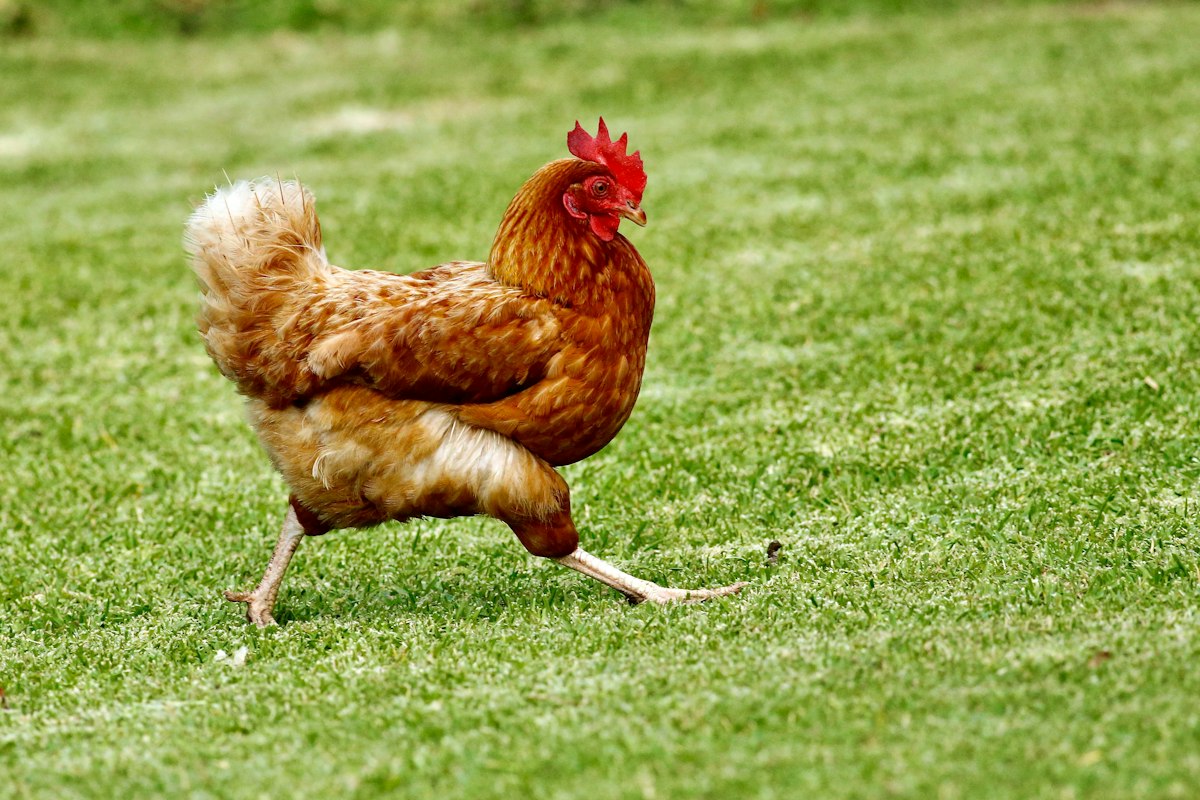
Poultry Nutrition for Nigerian Farmers
Feed is the single largest expense in poultry farming, typically accounting for 60–70% of total production costs. Getting nutrition right is not just about growth — it directly impacts your profitability.
Types of Poultry Feed
Starter Feed (Day 1–2 weeks)
High protein (22–24%) feed for chicks. Comes in crumble form for easy consumption. Critical for early immune system development and fast growth.
Grower Feed (Week 3–5 for broilers)
Protein drops to 19–20%. Supports muscle development and frame growth.
Finisher Feed (Week 6 to market)
Lower protein (17–18%), higher energy. Encourages fat deposition and fast weight gain before sale.
Layer Mash/Pellets
Formulated for egg-laying hens. Contains high calcium (3.5–4%) for strong eggshells and balanced amino acids for yolk quality.
Feeding Schedule
Broilers should have access to feed 24 hours a day — restricted feeding slows growth significantly. Layers benefit from scheduled feeding twice daily plus a late-evening feed boost.
Cost-Saving Tips
- Buy feed in bulk directly from manufacturers — not from retail shops
- Mix your own feed if you have expertise and access to maize, soybean, and premix
- Reduce feed wastage with proper feeders — feeder design alone can cut waste by 10–15%
- Monitor feed conversion ratio (FCR) — the lower the better
Feed Conversion Ratio (FCR)
FCR tells you how much feed it takes to produce 1kg of meat or a certain number of eggs. A good broiler FCR is 1.8–2.0. Anything above 2.2 suggests a problem with health, genetics, or management.